
The Future of SEO and AEO in 2027: Navigating the AI Search Shift
SEO & AI SearchThe Future of SEO and AEO in 2027: Navigating the AI Search Shift
The direct answer: In 2027, SEO and Answer Engine Optimization (AEO) work as one discipline. AI assistants such as ChatGPT now send high-intent, transactional leads, not only research traffic, but many of those visits appear as direct traffic in analytics. Brands that win will keep investing in SEO fundamentals, build authority through digital PR, reputation and community, and solve attribution by connecting data across platforms with AI analysis tools.
What changed in search heading into 2027?
On November 12, 2026, Google rolled out a new search interface that leans heavily on AI-generated results. At the same time, ChatGPT and similar assistants have become the default starting point for millions of people, replacing traditional search for a wide range of questions.
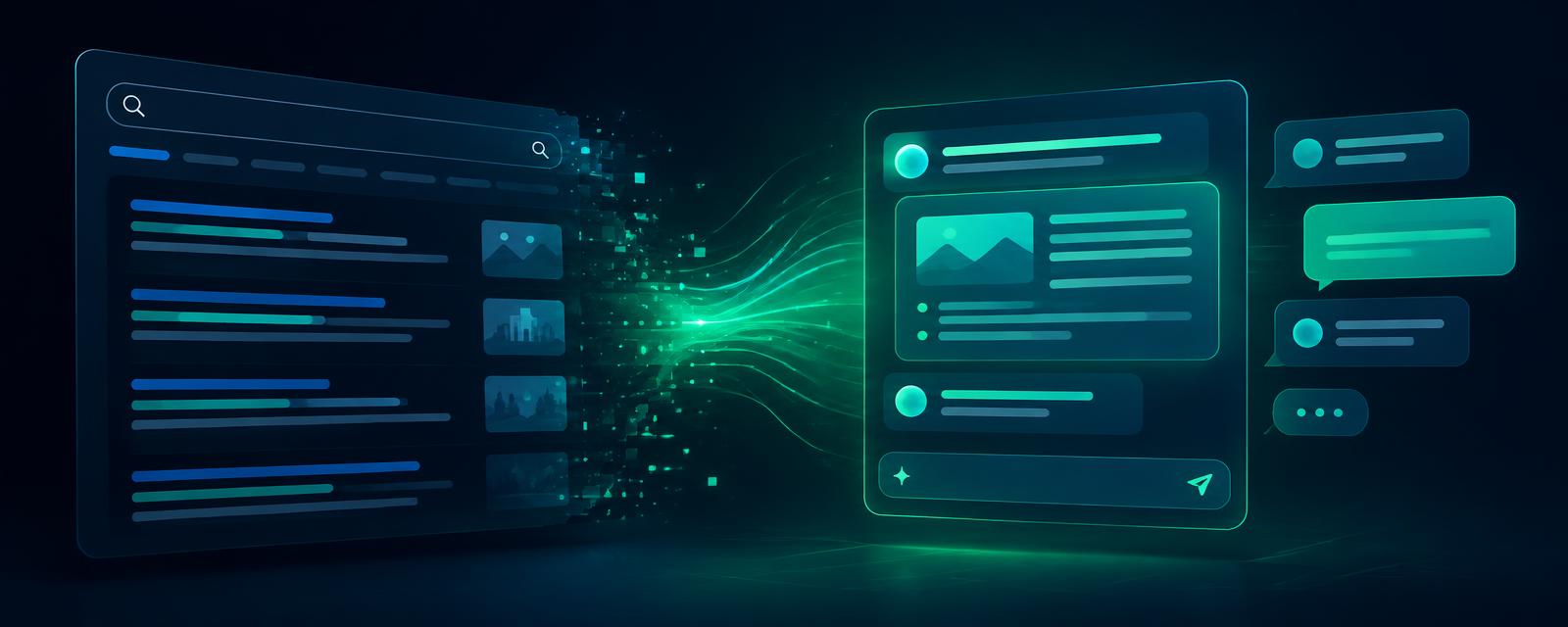
The rules of search visibility are changing quickly. Search Engine Optimization (SEO) still earns rankings and clicks. Answer Engine Optimization (AEO), sometimes called Generative Engine Optimization (GEO), earns something newer: being the brand an AI system names, cites and recommends. Marketers and business owners planning for 2027 need a strategy that covers both.
Free Visibility Audit
See how your site ranks across Google and AI search.
Technical SEO, AEO/GEO readiness, and competitive snapshot. No obligation.
Does AI search drive high-intent transactional leads?
For years, conventional wisdom held that consumers used ChatGPT for informational research and Google for transactional searches. Clarity Digital's real-world data shows that assumption no longer holds.
Across client campaigns and Clarity Digital's own inbound pipeline, the agency sees high-converting transactional leads that originate directly from ChatGPT. These are buyers with a defined need and budget, not casual researchers. AI assistants compress the research phase: by the time a prospect reaches a website, the assistant has often already shortlisted the vendor.

Why do AI search leads show up as direct traffic?
A recent example from Clarity Digital's pipeline illustrates the problem. A qualified prospect reached out, yet her attribution data was missing from both the CRM and Google Analytics. When asked how she found the agency, she explained that she discovered Clarity Digital through ChatGPT, typed the URL directly into her browser and visited the site. Because she declined website cookies, standard analytics never registered the AI referral.
This journey is common. An AI answer names a brand, the buyer opens a new tab, types the domain or searches the brand name, and converts. In analytics, the visit appears as direct or branded traffic. The AI system that created the demand receives no credit.
How can marketers solve AI search attribution in 2027?
Because AI-driven journeys often look like direct traffic, marketers cannot abandon SEO or AEO simply because the metrics look murky. The top priority for 2027 is solving attribution by connecting the dots across platforms.
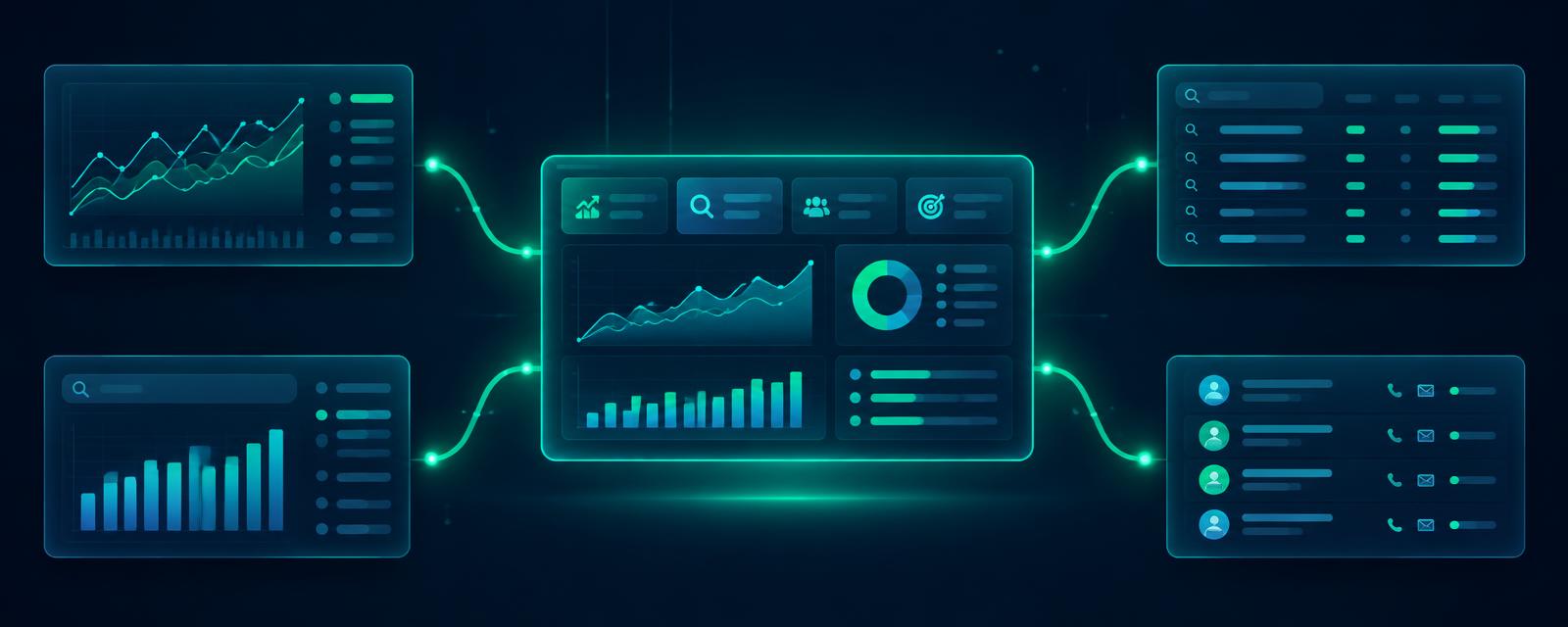
Google Analytics alone gives only one slice of the story. Uncovering the real impact of AI search requires a unified data approach powered by AI analysis. Clarity Digital connects Claude directly to Google Analytics, Google Search Console, Semrush, Ahrefs and other marketing platforms, alongside Gemini and the built-in AI features in Google Analytics, to combine cross-platform context and spot patterns that single-channel reporting misses.
Practical steps that help close the gap:
- Ask every lead how they found the brand. A required "How did you hear about us?" field captures AI referrals that analytics cannot.
- Track branded and direct traffic trends. Rising branded search and direct visits alongside growing AI visibility are a strong signal, even without a referral tag.
- Monitor AI citations. Run a fixed set of buyer prompts across major assistants each month and record which brands are named.
- Report observed and estimated results separately. Keep measured conversions apart from modeled AI influence so leadership can trust the numbers.
Will AI platforms offer better attribution reporting?
Tracking AI referrals feels like operating in the dark today, but transparency is improving. Developments such as the ChatGPT business tools and Microsoft's continued expansion of AI-generated answers signal that large language model (LLM) providers are moving toward better reporting and business integration. Attribution will improve, so brands should not pause their search strategy while the tooling catches up. The brands that build AI visibility now will have the history and authority when better measurement arrives.

How to win at SEO and AEO in 2027
Even while attribution remains imperfect, the playbook for appearing in AI answers is clear.
Master SEO fundamentals first
Strong AEO starts with proven SEO practices. Clean technical architecture, crawlable pages, structured data, authoritative content and solid search visibility remain the foundation that LLMs draw from. Google states that standard SEO best practices apply to its AI features (Google Search Central, AI features and your website).

Invest in digital PR and online reputation management
LLMs evaluate trust and authority across the wider web, not only on a brand's own site. Earning coverage in respected publications, positive reviews, high ratings and favorable brand sentiment on third-party platforms makes a brand more likely to be recommended. Clarity Digital's digital PR and online reputation management services are built around these signals.
Build an engaged online community
Winning in AI search takes more than routine social posts. Brands should build genuine communities and expand a positive, informative footprint across forums, video, podcasts and industry groups, so AI engines consistently recognize the brand as a trusted authority.

Brands that want a structured plan for AI visibility can explore Clarity Digital's AEO and GEO services, which combine technical SEO, entity optimization, AI citation tracking and authority building.
Frequently asked questions
Is SEO still important in 2027?
Yes. SEO remains the foundation AI systems draw from. Strong technical health, authoritative content and search visibility make a brand easier for AI assistants to find and cite.
What is the difference between SEO and AEO?
SEO aims for rankings and clicks on search engines. AEO aims for a brand to be named, cited and recommended inside AI-generated answers from tools such as ChatGPT, Gemini, Perplexity and Google AI features.
Can ChatGPT send transactional leads?
Yes. Clarity Digital sees qualified, high-intent leads originate from ChatGPT in both client campaigns and its own pipeline.
Why does AI traffic not appear in Google Analytics?
Many buyers read an AI answer, then type the URL or search the brand name. If they also decline cookies, analytics records the visit as direct traffic, or not at all.
How should a brand measure AEO results?
Combine self-reported lead sources, branded and direct traffic trends, monthly AI citation tracking across a fixed prompt set, and cross-platform data analysis, reporting measured and estimated results separately.
Conclusion: future-proof search strategy for 2027
AI search has moved past research and into buying decisions. The leads are real, even when analytics cannot see where they came from. The brands that win in 2027 will treat SEO and AEO as one strategy, solve attribution with connected data, and earn the trust signals AI systems rely on through digital PR, reputation and community.
Ready to future-proof a search strategy for 2027? Contact Clarity Digital to see how the team helps brands lead in both traditional search and AI-powered answer engines, or start with the AEO and GEO services page.
Your Next Step
Two ways to turn this into results.
Pick the path that fits where you are right now. We will meet you there.